
The MAV System
A human-centered astronomical instrument designed for shared, simultaneous observation.
Designed as an Instrument, Not an Attraction
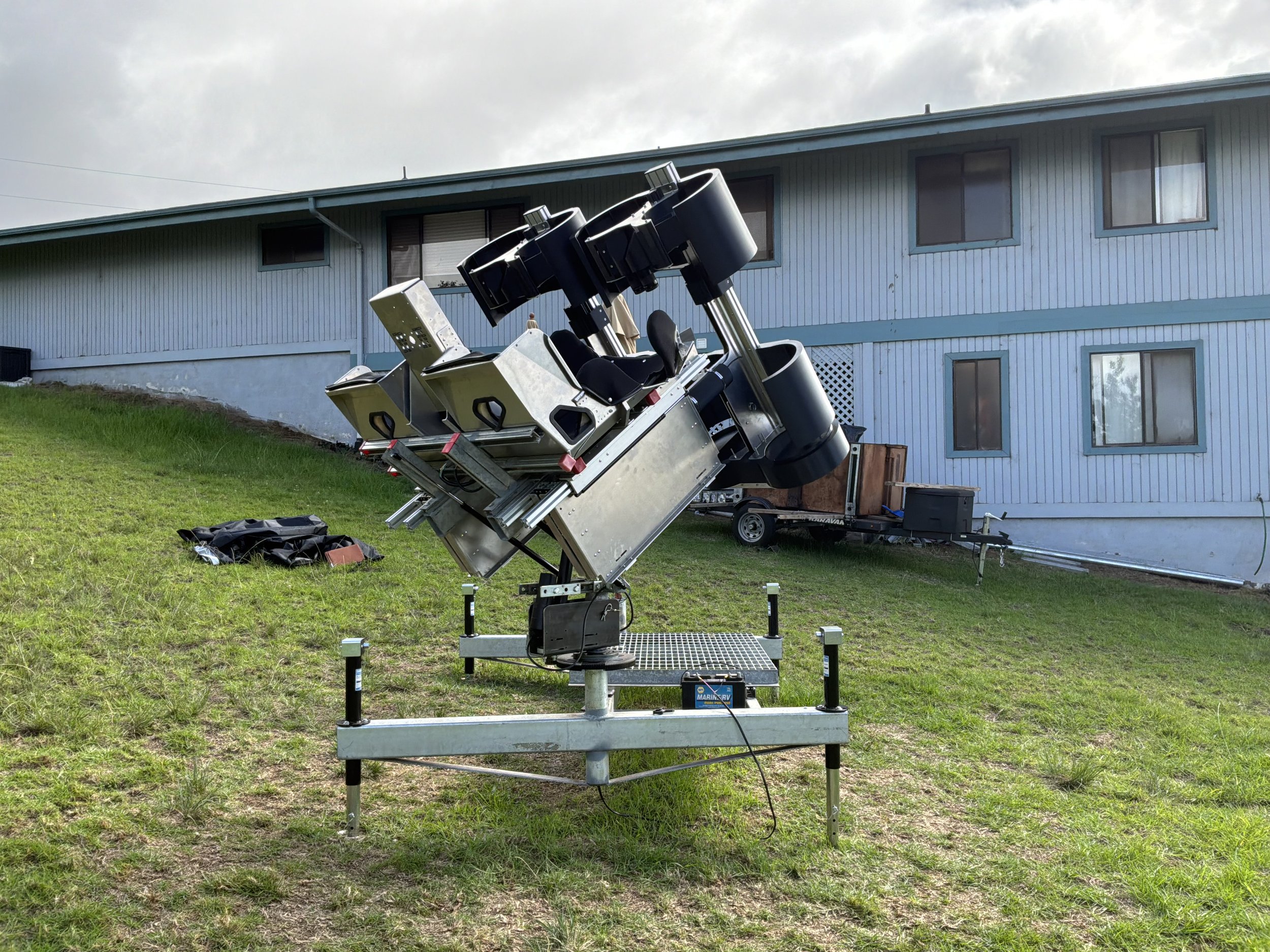
The MAV (Multi-Observer Astronomical Viewer) is engineered as a precision astronomical instrument first, and a guest experience second. Every aspect of its design prioritizes alignment, stability, comfort, and safety—ensuring that shared observation feels calm, intuitive, and reliable.
Rather than adapting a traditional telescope for multiple users, the MAV was designed from the ground up to support two observers simultaneously, in a reclined and co-oriented position. The result is an experience that feels effortless for guests and predictable for operators.
System Overview
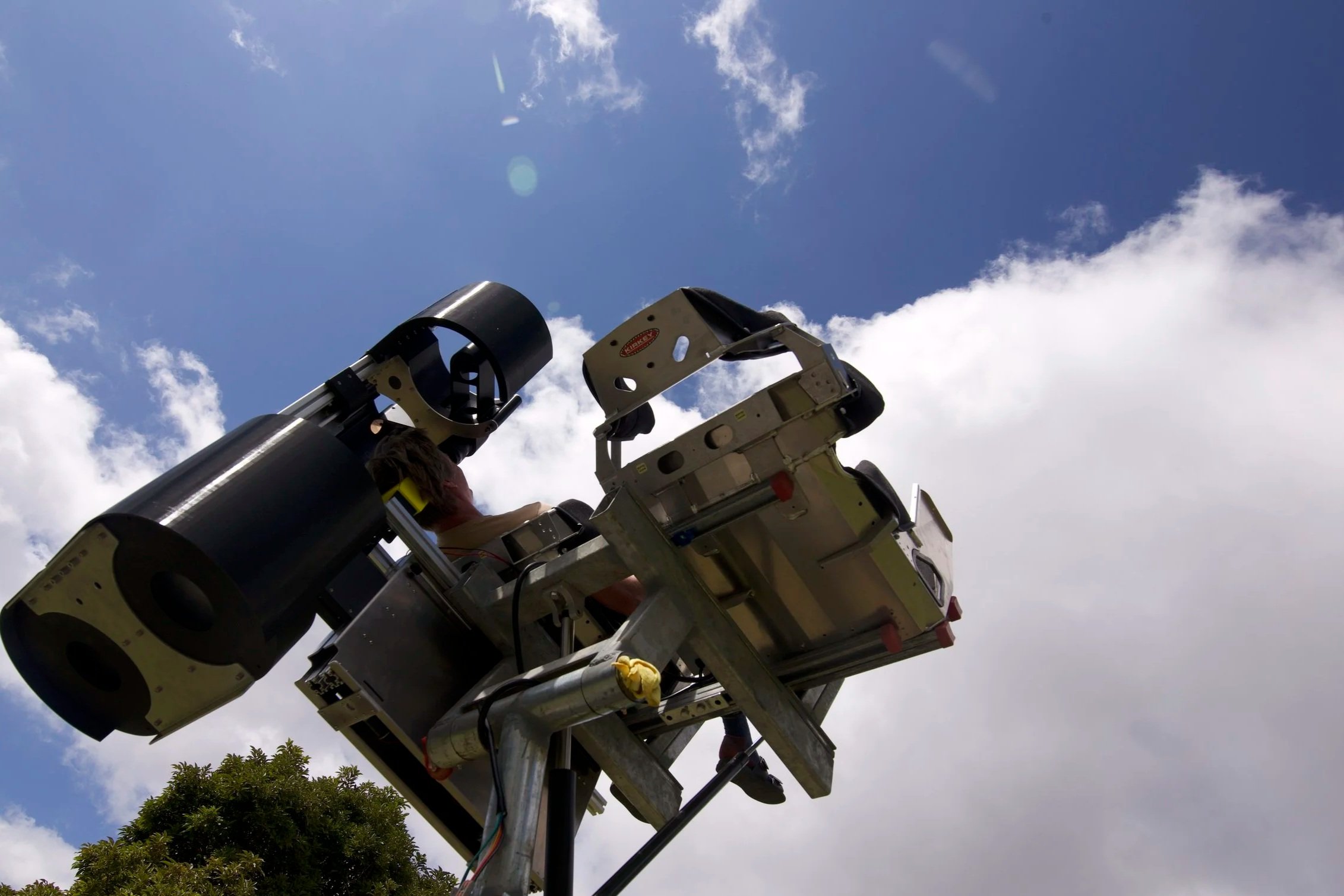
The MAV integrates a binocular optical system, a human-rated support structure, and a controlled motion platform into a single unified instrument. These components work together to maintain precise alignment between the observers and the sky, while minimizing physical effort, noise, and distraction.
Binocular optical assembly
Dual-occupant reclined seating system
Motorized altitude and azimuth positioning
Integrated control interface
Structural base and mounting system
Optical System
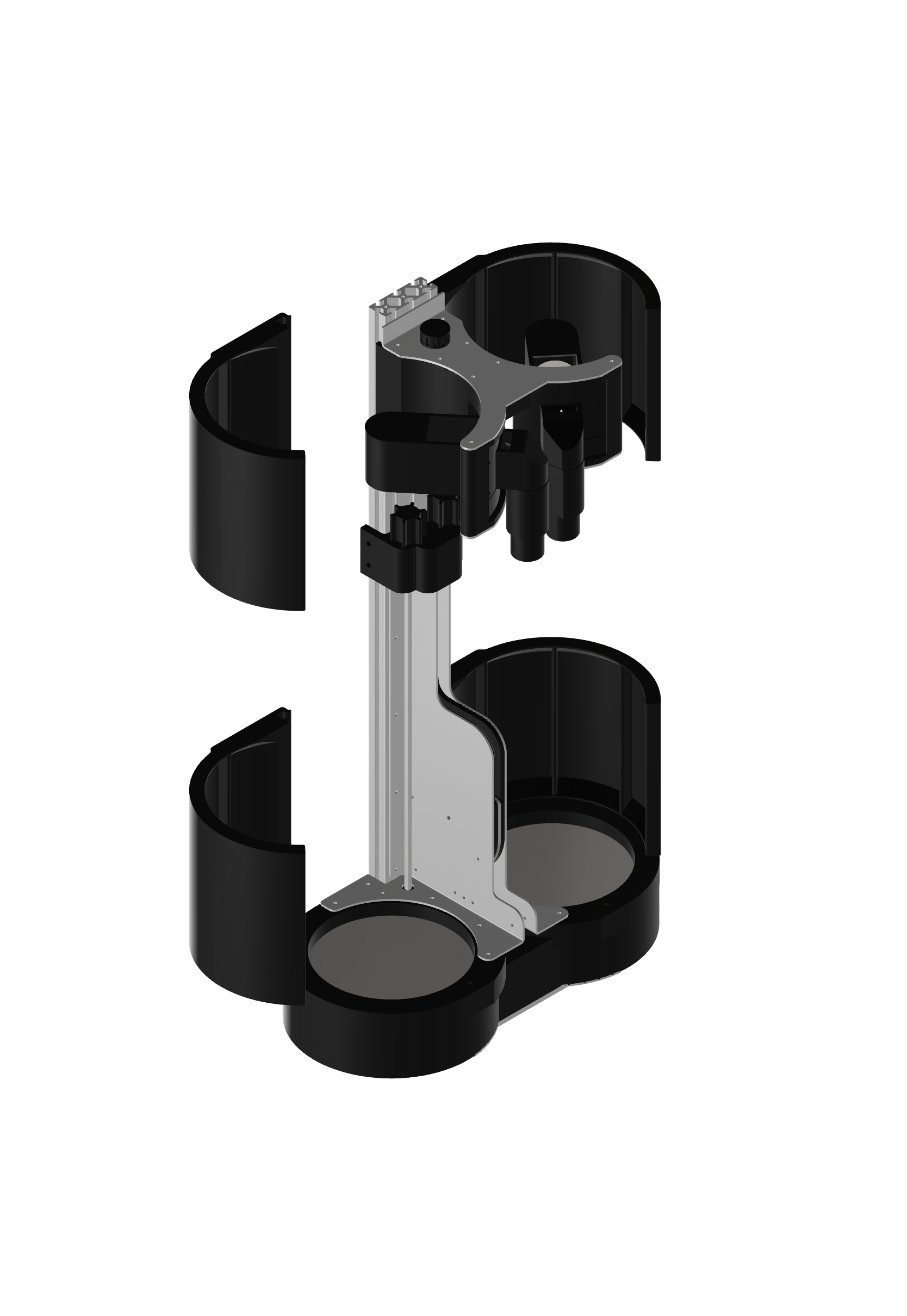
At the heart of the MAV are two true binocular telescope (aka binoscope) optical systems, allowing both observers to use natural two-eye vision while viewing the same celestial object. This approach enhances depth perception, maximum brightness, total comfort, and immersion—particularly for extended viewing sessions.
Optical configuration: Binocular astronomical system (10” objective mirrors)
Viewing mode: Visual observation
Eyepiece configuration: Dual, synchronized
Target types: Planets, Moon, star clusters, deep-sky objects
Human Interface & Seating
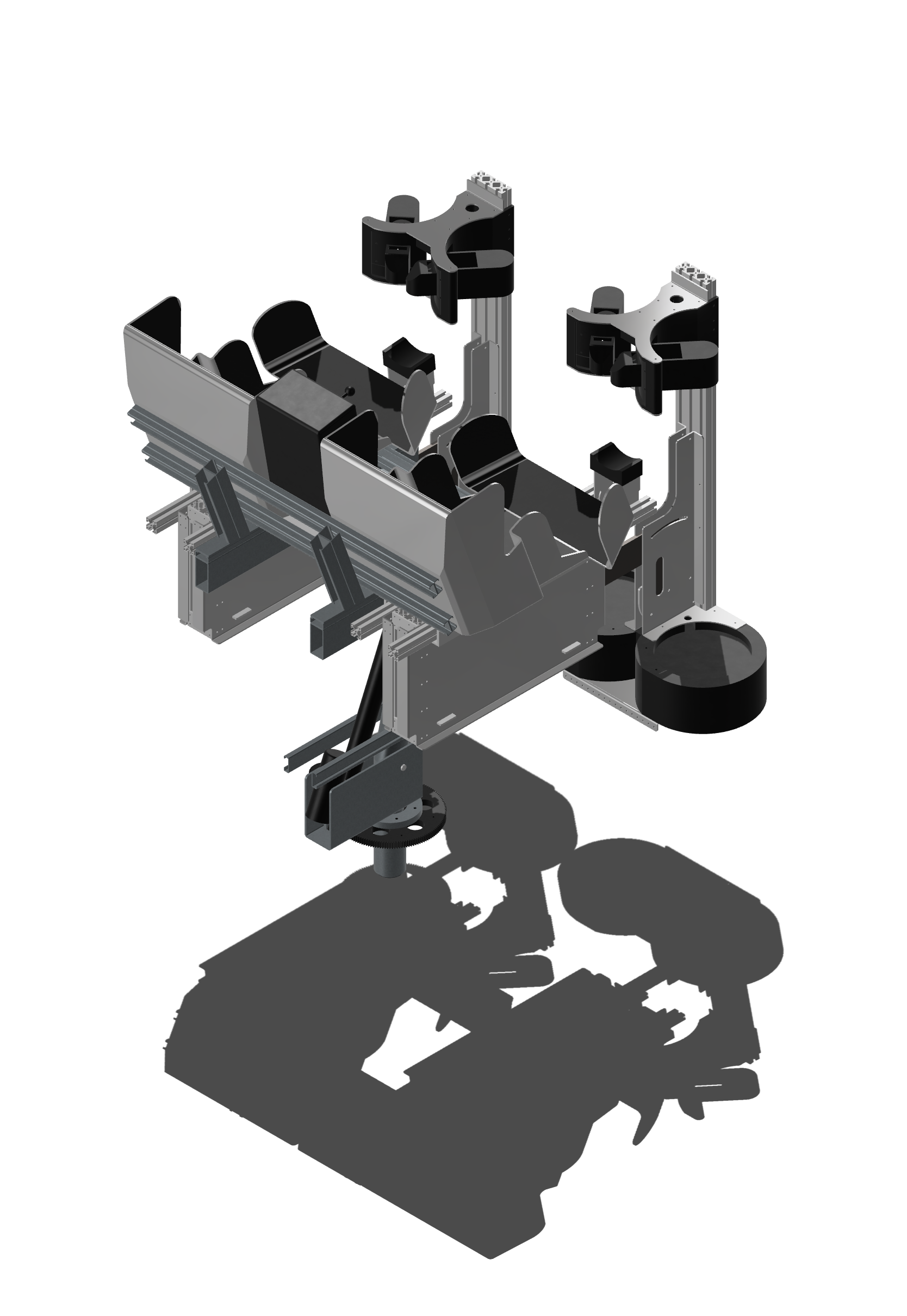
The MAV is designed around the human body. Observers recline in a neutral, supported position that reduces strain on the neck, back, and legs—allowing guests to remain comfortable and engaged throughout the session.
Seating geometry is carefully aligned with the optical axis, ensuring that both observers remain co-oriented as the system repositions.
Key considerations
Reclined, ergonomic posture
Dual-occupant alignment
Secure seating and support points
Night-optimized visibility and lighting
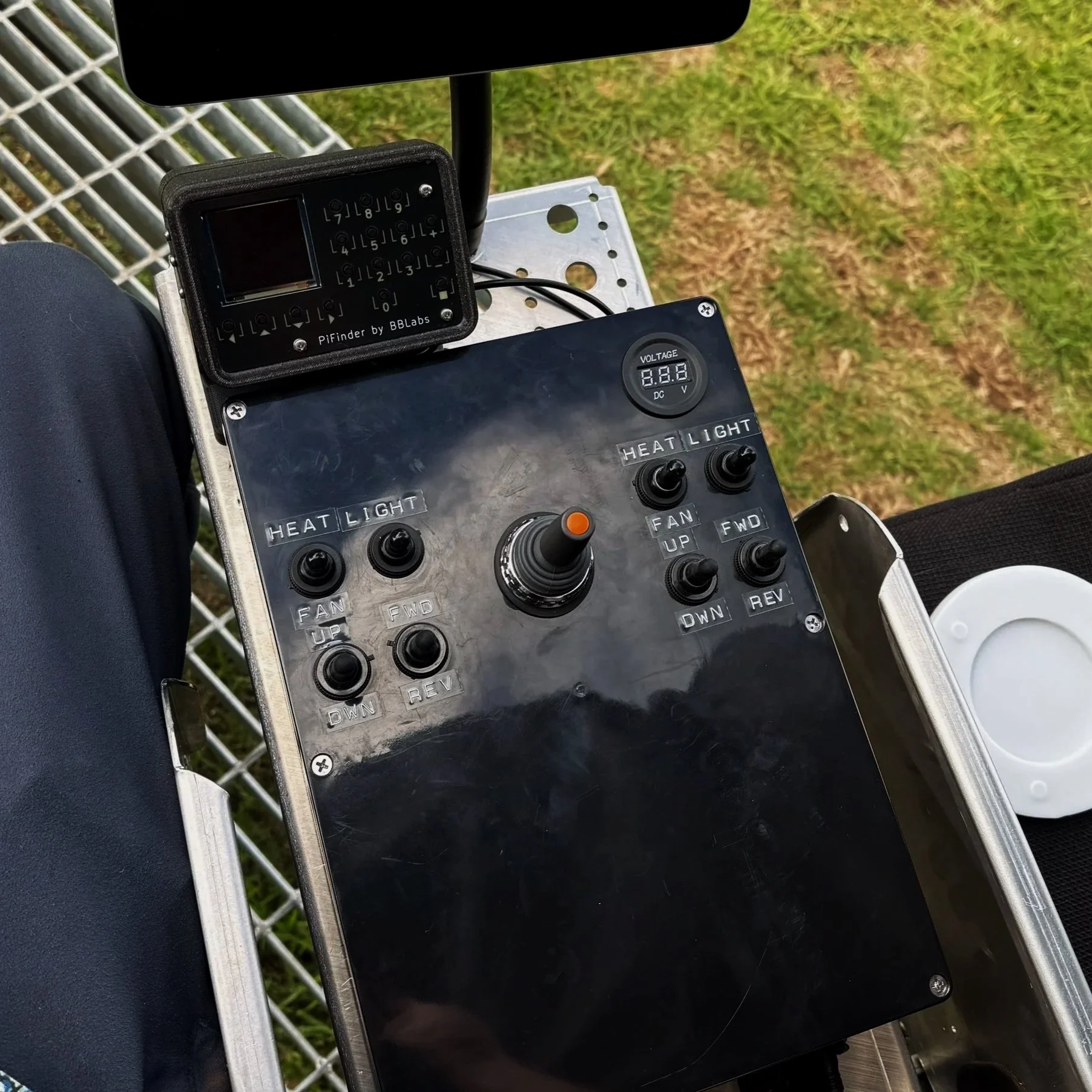
Motion & Control
The MAV uses smooth, controlled motion to maintain alignment with celestial targets. Movement is deliberate, quiet, and limited to what is necessary for observation—prioritizing stability and guest comfort at all times.
Controls are designed to be intuitive for guided operation, with safeguards that prevent abrupt or unintended movement.
System characteristics
Motorized altitude and azimuth positioning
Smooth, low-noise operation
Defined motion limits
Emergency stop capability
Safety & Operational Design
Safety is foundational to the MAV’s design. The system is engineered as a human-occupied instrument, with structural margins, controlled motion, and operational protocols appropriate for guest use in hospitality environments.
Nighttime operation considerations—such as low-light visibility, red-light usage, and clear ingress/egress—are integral to the design.
Operational considerations
Human-rated structural design
Controlled motion envelopes
Night-safe lighting
Clear access and exit paths
Installation & Site Considerations
MAV installations are customized to the site, environment, and intended use. Factors such as sky quality, wind exposure, power access, and guest flow are evaluated collaboratively during the planning process.
Typical considerations
Outdoor or semi-sheltered installation
Dark-sky or low-light environments
Fixed or semi-permanent mounting
Power and control access
Site assessments are conducted in partnership with each property.
A System Designed for Trust
The MAV is not a novelty device. It is a carefully engineered system designed to operate reliably, predictably, and safely in real-world hospitality settings—while delivering an experience that feels effortless to guests.